Essential Attributes to Search for in a Commercial Electrician for Your Organization
Finding a qualified professional electrical contractor is critical for any business. Notable traits including current licenses, solid track record, and a priority on safety can profoundly shape project success. Open dialogue and customized solutions also are essential components in meeting focused organizational objectives. Recognizing these elements can facilitate stronger choices. What additional points should entities take into account when considering candidate electricians?
Why Necessary Credentials and Certifications Count
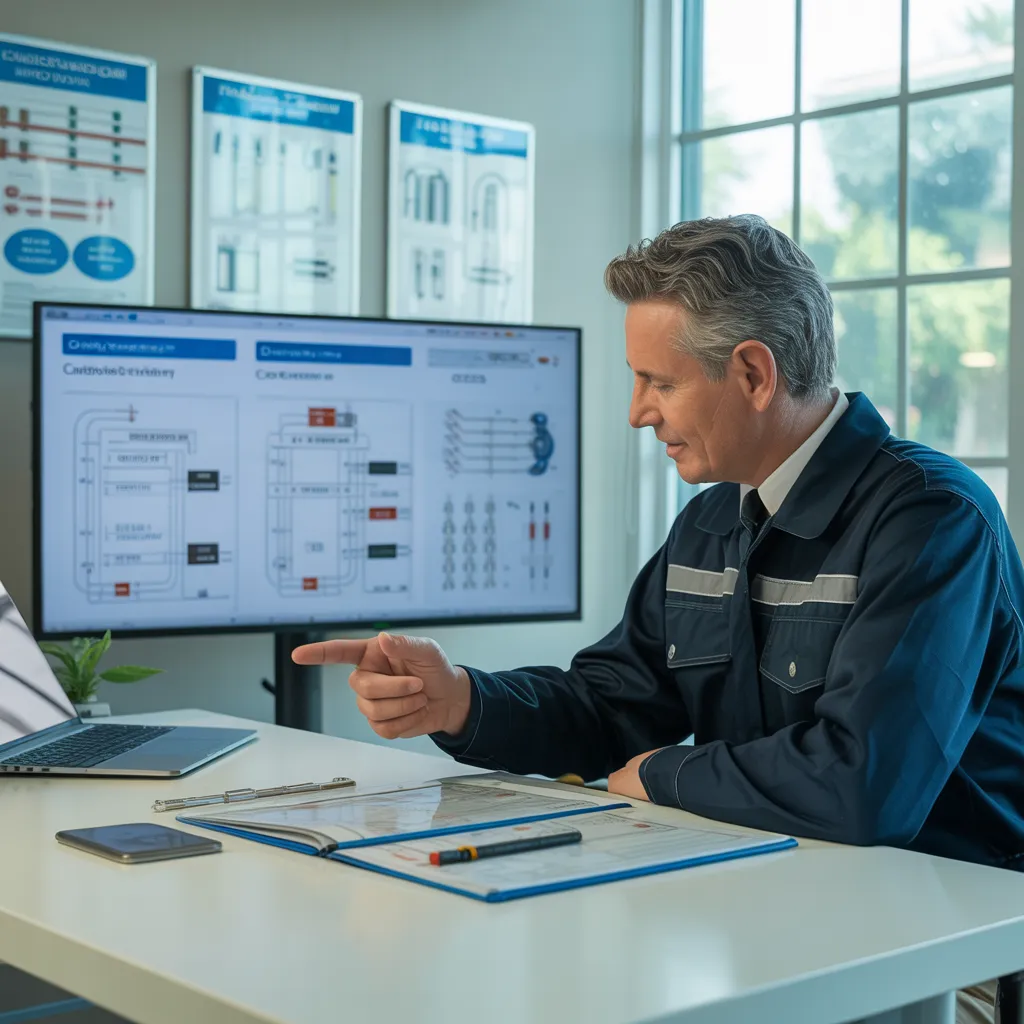
Regarding the field of commercial electrical work, proper licenses and certifications serve as essential signs of a practitioner's competence and adherence with review professional norms. These credentials guarantee that electrical technicians possess the requisite skills and knowledge to handle sophisticated electrical systems securely and efficiently. Regulatory agencies institute demanding courses and examinations that electricians are obligated to finish to obtain these qualifications, reflecting their dedication to industry best practices.
Additionally, licenses frequently necessitate continuous professional development, ensuring professionals remain informed of the latest technologies and compliance standards. This continuous learning is vital in a rapidly evolving industry where compliance with safety codes is essential. Businesses and clients can have higher trust when hiring electricians with authenticated qualifications, recognizing that they are equipped to reduce hazards and guarantee excellent results. Ultimately, the availability of appropriate permits and certifications not only enhances the credibility of commercial electricians but also reinforces the overall safety and integrity of electrical installations.
Established History in Commercial Ventures
These professionals are proficient at deploying sustainable technologies and complying with industry regulations, guaranteeing that projects meet both functional and safety standards. Furthermore, their familiarity with varied business facilities—ranging from retail spaces to office buildings—equips them to foresee likely problems and deliver customized approaches.
Examining an electrician's portfolio of previous business work provides invaluable understanding into their problem-solving abilities and dependability. In the end, selecting an electrician with proven commercial experience can significantly impact the efficiency and success of a company's electrical requirements.
Emphasizing Safety Standards in Electrical Tasks
In the realm of commercial electrical projects, emphasizing safety protocols is critical. Following regulations assures that all installations satisfy legal requirements, while the selection of quality materials protects against potential hazards. These practices not only safeguard workers but also strengthen the dependability of electrical systems in commercial settings.
Conformance With Regulations
While moving through the complexities of electrical work, a commercial electrician must prioritize compliance with regulations to ensure safety and functionality. Adhering to local, state, and national codes is essential, as these guidelines are designed to protect both the public and the property. An experienced electrician understands that failure to comply can result in hazardous conditions, legal repercussions, and costly repairs. Regular training and updates on regulatory changes are vital for maintaining compliance. In addition, a reputable electrician will possess the necessary licenses and certifications, demonstrating their commitment to industry standards. Ultimately, prioritizing compliance not only enhances safety but also fosters trust with clients, ensuring long-term success in commercial electrical projects.
Utilizing Premium Materials
Ensuring safety standards in electrical work relies on quality components playing a vital role. Commercial electricians who focus on the use of high-quality components mitigate risks related to electrical failures, such as short circuits and fires. Employing robust materials enhances system durability and secures compliance with safety regulations. Selecting an electrician demands inquiring about the types of materials they use. Those electricians focused on quality will source components from reputable manufacturers, giving business owners peace of mind. Moreover, using quality materials shows professionalism and dedication to durability. Businesses that focus on safety a priority eventually obtain lower maintenance expenses and a safer setting for employees and clients.
Why Effective Communication Skills Are Critical?
How can a professional electrician successfully handle complicated assignments if they don't possess strong communication skills? Clear communication is crucial for a successful collaboration between electricians, project supervisors, and customers. It guarantees that everyone is on the same page regarding project specifications, schedules, and budget constraints.
Electricians need to communicate technical concepts in a manner that non-experts can follow, promoting informed selections. Communication breakdowns can trigger costly delays, safety problems, or incomplete work. Furthermore, strong communication abilities create trust and rapport, fostering a positive working environment that boosts productivity.
Listening is equally important; an skilled electrician must be able to comprehend client needs and preferences. This two-way communication allows for adjustments and troubleshooting throughout the project. Ultimately, strong communication skills not only optimize operations but also contribute to overall project success, making them an indispensable quality for any commercial electrician.
Creating Individualized Power Solutions for Your Business Needs
Comprehending the distinctive power requirements of a company is essential for any commercial electrician. Each enterprise has different functional requirements, which can vary greatly based on sector, building size, and specific equipment specifications. A proficient business electrical specialist recognizes the importance of performing thorough assessments to identify these requirements, ensuring that remedies are not only productive but also economical.
Professional power systems can range from efficient lighting setups to extensive wiring upgrades and custom installations. By tailoring offerings, electricians can improve security, boost power efficiency, and support business growth. Furthermore, a knowledgeable electrician stays updated on sector guidelines and modern innovations, allowing for innovative solutions that meet current standards.
Applying tailored approaches ultimately results in superior productivity and decreased interruptions, making it a vital characteristic in a professional electrical contractor. Enterprises gain considerably from electricians emphasizing individualized approaches, ensuring that all power systems align seamlessly with operational goals.
What Favorable Client Testimonials Disclose About Your Electrical Contractor?
Positive customer opinions function as a powerful indicator of an electrician's reliability and expertise. When firms get uniform applause for an electrician's efforts, it reflects not only technical expertise but also strong client relations skills. Positive remarks often stresses punctuality, professionalism, and open communication, all indispensable traits for a effective commercial electrician.
Additionally, reviews can provide insight into the electrician's ability to solve problems, showcasing how they handle unexpected obstacles. Customers often note the quality of workmanship, which is essential for guaranteeing safety over time and adherence with regulations.
Additionally, a significant number of positive feedback can establish a solid standing within the community, suggesting that the electrician is respected by peers and clients alike. Ultimately, these customer testimonials represent a important resource for businesses looking to make informed decisions when picking the right electrician for their needs.
Often Asked Items
What Process Should I Use to Confirm an Electrician's Professional Licenses and Certificates?
To substantiate an electrician's credentials and qualifications, one should contact local or state regulatory agencies, review paperwork supplied by the electrician, and consult digital registries that track licensing status and any disciplinary actions.
What Classes of Protection Proves Necessary for a Commercial Electrician?
A commercial electrician should have general liability insurance, workers' compensation insurance, and, if applicable, professional liability coverage. These insurances protect both the electrician and the client from potential accidents, damages, and legal claims during projects.
How Can I Evaluate an Electrician's Dependability and Timeliness?
To evaluate an electrical contractor's reliability and punctuality, one should examine client reviews, check credentials, and analyze past project timelines. Furthermore, assessing their ability to communicate can provide understanding of their reliability and scheduling adherence.
What Are the Normal Expenditures Tied to Bringing on a Commercial Electrician?
Standard fees for retaining a commercial electrician vary based on task complexity, spanning $50 to $150 per hour. Additional variables include materials, location, and time constraint, with total project assessments often reaching several hundred to thousands of dollars.
What Timeframe is Needed for a Commercial Electrical Project to be Completed?
The timeframe for a commercial electrical project generally falls between a few days to several weeks, determined by the project's intricacy, scope, and the competence of the electrician and team performing the work.